Introduction
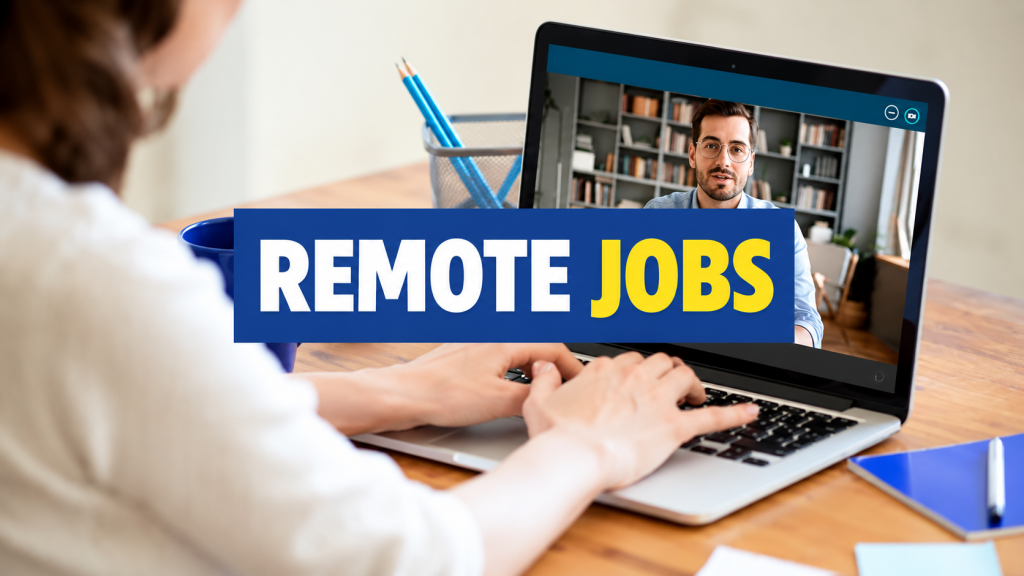
Finding a job that fits your life can be hard. Many people in the United States want more freedom, less travel, and a better way to manage their time. Remote jobs can help make that possible.
Remote work lets people do their jobs outside a traditional office. Some workers work from home every day. Others work from home part of the week.
There are many types of remote jobs. You can find roles in customer service, writing, marketing, sales, and technology. Some jobs welcome beginners, while others need training or work experience.
This guide explains how remote jobs work, where to find real openings, which skills you need, and how to apply. It also shares simple ways to spot job scams.
What Are Remote Jobs?
Remote jobs are jobs you can do outside a company’s main office. You may work from home or another approved place. Most remote workers use a computer, internet access, and online tools to complete their tasks.
For example, a customer service worker may answer questions through email. An SEO assistant may research keywords and help improve websites. Both workers can do their jobs online.
Remote work can take different forms.
- Fully remote jobs: You work away from the office on a regular basis.
- Hybrid jobs: You work from home on some days and visit an office on others.
- Location-based remote jobs: You work remotely but must live in a certain state or area.
- Flexible remote jobs: You may have some choice over when you complete your work, depending on the role.
Not every remote job offers the same freedom. Some employers require fixed work hours, video meetings, or regular updates. Always read the job description before you apply.
Benefits of Remote Jobs
Remote jobs can make daily life easier. However, they also come with challenges. Understanding both sides can help you choose the right role.
1. Less Time Spent Traveling
Working from home can reduce the need to drive or use public transport. You may save time that would otherwise go toward a daily commute.
You can use this extra time for rest, family, learning, or personal tasks.
2. More Choice About Where You Work
Some remote jobs let you work from your home office or another approved place. This can be useful if you prefer a quiet space.
Still, some employers limit where workers can live. Check these rules before applying.
3. Access to More Employers
Remote work may help you apply to companies in other cities. You do not always need to move to find a suitable role.
However, a job listed as remote may only be open to people in certain states or countries.
4. Possible Travel Savings
Working from home may reduce spending on fuel, parking, public transport, and work clothes.
You may still need to pay for internet, office supplies, or equipment. Your total savings will depend on your situation.
5. More Control Over Your Routine
Some remote jobs offer flexible hours. This can help you manage family duties, study, and personal goals.
Other jobs require you to work set shifts. Ask about the schedule before accepting an offer.
Common Challenges of Remote Work
Remote work is not perfect for everyone. Home distractions can make it hard to focus. Working alone may also feel isolating.
You may need to manage your time without direct supervision. Set work hours, take short breaks, and keep a clear list of daily tasks.
Types of Remote Jobs
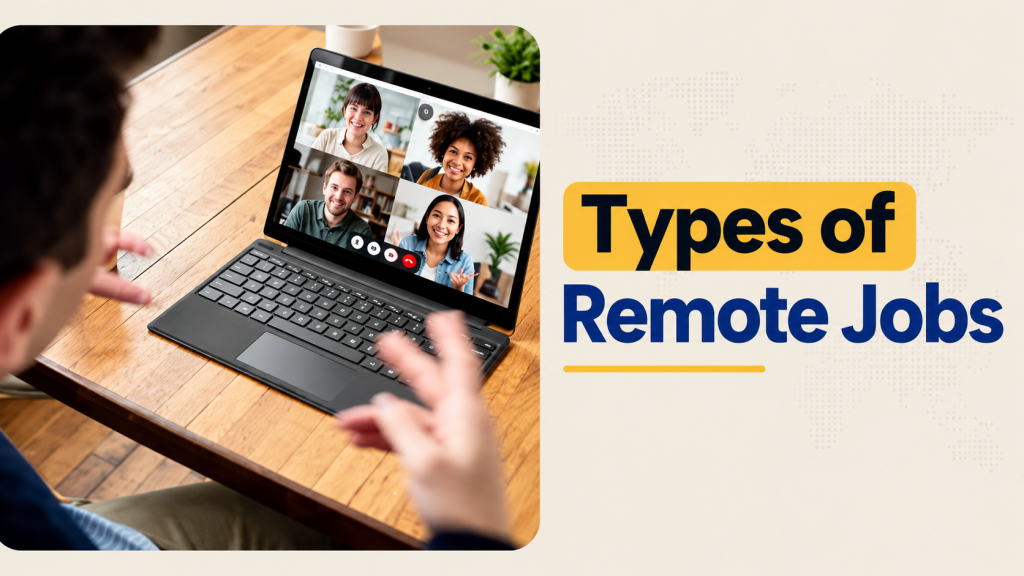
Remote jobs are available in many fields. The right choice depends on your skills, interests, and experience.
Customer Service Jobs
Customer service workers help customers solve problems. They may answer questions about orders, accounts, products, or services.
Common tasks include:
- Answering phone calls.
- Replying to customer emails.
- Helping people through live chat.
- Updating customer records.
- Explaining company policies.
These jobs may suit people who communicate well and enjoy helping others. Some employers provide training, but others require customer service experience.
Writing and Editing Jobs
Writing jobs involve creating useful content for websites, blogs, businesses, and online publications.
Common roles include blog writer, copywriter, proofreader, and content editor.
Writers may create articles, product descriptions, email messages, or website pages. Editors check grammar, spelling, clarity, and facts.
A small portfolio can help you show what you can do. You can create sample articles on topics you know well.
Virtual Assistant Jobs
Virtual assistants help business owners and teams with daily tasks. Much of this work happens online.
Tasks may include:
- Managing email inboxes.
- Booking meetings.
- Updating calendars.
- Researching information.
- Organizing files.
- Preparing simple reports.
You should be organized, reliable, and comfortable using online tools. Basic computer skills and clear communication are often useful.
Digital Marketing and SEO Jobs
Digital marketing workers help businesses reach people online. SEO, or search engine optimization, helps websites improve their visibility in search results.
Possible remote roles include:
- Junior SEO assistant.
- Keyword research assistant.
- Link-building specialist.
- Content marketing assistant.
- Social media assistant.
- Digital marketing coordinator.
Tasks may include checking keywords, reviewing web pages, helping with outreach, writing content briefs, and tracking website results.
You can build your skills by practicing on a small website or creating sample reports. Learn common SEO tools and keep examples of your work.
Technology Jobs
Technology offers remote roles for people with different skill levels.
Examples include web developer, software tester, IT support specialist, and website maintenance assistant.
Developers build or update websites and software. Testers check products for errors. IT support workers help people solve computer problems.
Some roles need strong technical skills or formal training. Others may offer entry-level paths for people with the right basic knowledge.
Sales and Recruiting Jobs
Sales workers help companies find customers and explain products or services. Recruiting workers help employers find suitable job candidates.
Tasks may include lead research, appointment setting, email outreach, sales support, and interview scheduling.
These roles often need clear communication, good organization, and patience. Some sales jobs also include targets or commission-based pay, so check the pay terms carefully.
Best Remote Jobs for Beginners
You do not always need years of experience to start looking for remote work. Some employers offer entry-level roles or training. However, each job has its own requirements.
Here are eight options to explore.
1. Customer Service Representative
Main tasks: Answer customer questions, solve basic problems, and update records.
Useful skills: Clear communication, patience, and basic computer skills.
Entry requirements: Some employers accept beginners. Others require customer service experience, specific work hours, or a quiet workspace.
2. Virtual Assistant
Main tasks: Manage emails, schedule meetings, research topics, and organize files.
Useful skills: Organization, time management, and attention to detail.
Entry requirements: Basic office software skills may be enough for some roles. Other clients may ask for past work or knowledge of specific tools.
3. Data Entry Clerk
Main tasks: Enter, check, and update information in digital records.
Useful skills: Accurate typing, focus, and basic spreadsheet knowledge.
Entry requirements: Some roles are open to beginners. Be careful with offers that promise high pay for very simple work and ask you to pay first.
4. Content Writer
Main tasks: Write blog posts, website pages, product descriptions, or other online content.
Useful skills: Writing, research, grammar, and the ability to follow instructions.
Entry requirements: A degree may not be required for every role. Writing samples can help show your ability.
5. Social Media Assistant
Main tasks: Schedule posts, reply to comments, organize content, and track basic results.
Useful skills: Clear writing, creativity, organization, and familiarity with social media platforms.
Entry requirements: Some employers accept beginners with sample posts or a small portfolio.
6. Appointment Setter
Main tasks: Contact leads, answer basic questions, and schedule meetings for a sales team.
Useful skills: Communication, confidence, organization, and polite follow-up.
Entry requirements: Some roles provide training. Others need sales experience or require calls during set hours.
7. Junior SEO Assistant
Main tasks: Research keywords, review web pages, organize SEO data, and support link-building or content tasks.
Useful skills: Basic SEO knowledge, research, spreadsheets, and attention to detail.
Entry requirements: A beginner may qualify if they can show practical skills. A sample keyword report or website audit can help support an application.
8. Online Tutor
Main tasks: Teach a subject, answer student questions, and prepare lessons online.
Useful skills: Knowledge of the subject, patience, and clear communication.
Entry requirements: Requirements vary by subject and employer. Some tutoring jobs need a degree, teaching experience, or specific credentials.
Tip: Choose one role first. Learning the tools for one type of job is often easier than trying to qualify for many unrelated roles at once.
Where to Find Legitimate Remote Jobs in the US

A good job search starts with trusted job boards and company career pages. These websites can help you find openings, but you should still check each employer and job listing.
1. Indeed
Visit Indeed.
Search for a job title such as “remote customer service representative” or “junior SEO assistant.” Use the location and remote-work filters when available.
Read the full listing to check experience, location, pay, and schedule requirements.
2. LinkedIn Jobs
Visit LinkedIn Jobs.
Search for your target role and select the remote option in the job filters. You can also build a professional profile and connect with people in your field.
LinkedIn explains how to find remote jobs. Check the employer and application link before sharing personal information.
3. FlexJobs
Visit FlexJobs.
FlexJobs focuses on flexible work, including remote roles. Review its current plans and fees before using any paid features.
Never assume that paying for a job board guarantees an interview or employment.
4. Remote.co
Visit Remote.co.
This website offers remote job listings and advice about remote work. You can explore different fields and learn about working with remote teams.
5. We Work Remotely
Visit We Work Remotely.
This job board lists remote roles in several fields. Read each listing carefully because some jobs limit applicants by country, region, or time zone.
6. USAJOBS
Visit USAJOBS.
USAJOBS is the official website for many federal government job openings. Use its remote-work filter to find relevant positions.
Some jobs have strict eligibility, education, experience, or citizenship requirements. Read the full announcement before applying. The USAJOBS remote-work guide explains how remote and telework options work.
Check the Employer’s Website
When you find a job on a job board, visit the employer’s official website. Look for its careers page and see if the role appears there.
Check the company name, email address, job duties, pay terms, and application process. If something seems wrong, contact the company through contact details you find independently.
How to Get Remote Jobs With No Experience
Getting your first remote job can take time. A clear plan can help you build useful skills and submit stronger applications.
Step 1: Choose a Suitable Job
Start with your current skills and interests. If you enjoy writing, explore content roles. If you like working with data, consider data entry or administrative work.
Choose one main role and one related backup role.
Step 2: Learn the Basic Tools
Find out which tools people use in your chosen field.
For example, a virtual assistant may need calendar and spreadsheet tools. A junior SEO assistant may need keyword research tools and basic website knowledge.
Use free lessons and practice projects to build your skills.
Step 3: Create Sample Work
You can show your skills even if you have not worked for a company.
A writer can create two or three sample articles. An SEO beginner can prepare a keyword report. A social media assistant can make a sample content calendar.
Clearly label practice work as a sample. Never claim that sample projects were paid client work.
Step 4: Write a Clear Resume
Keep your resume easy to read. Include your skills, education, relevant projects, and work experience.
Use simple language and focus on what you can do. Do not add skills or qualifications you do not have.
Step 5: Match Your Application to the Job
Read the job description before applying. Identify the main skills and duties.
Then explain how your experience matches those needs. Use examples instead of sending the same resume to every employer.
Step 6: Practice Online Interviews
Prepare answers to common questions such as:
- Tell me about yourself.
- Why do you want this role?
- How do you manage your time?
- How do you solve a problem?
- What tools have you used?
Test your internet, microphone, and camera before a video interview.
Step 7: Track Your Applications
Use a spreadsheet to record the company, role, application date, and follow-up date.
Review your results each week. If you receive few replies, improve your resume or apply to roles that better match your skills.
Remember that entry-level does not always mean no experience is needed. Some jobs still require training, strong computer skills, or a set schedule.
Skills Needed for Remote Jobs
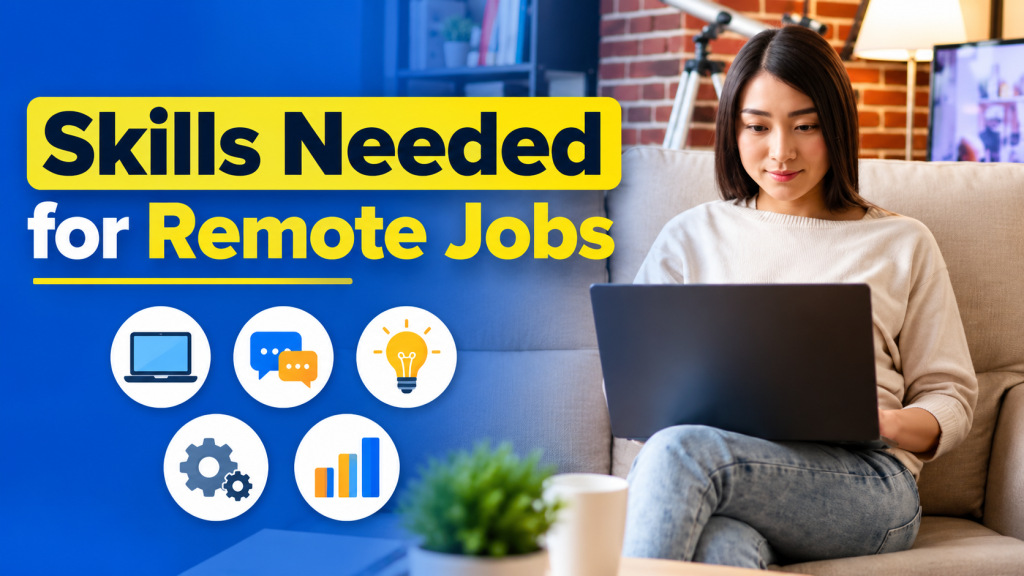
Remote workers often need to manage tasks without someone standing beside them. These skills can help you work well with a team.
Communication
Explain ideas clearly in messages, emails, and meetings. For example, tell your manager when a task is complete or when you need help.
Time Management
Plan your day and finish tasks on time. A simple daily task list can help you stay focused.
Computer Skills
Know how to use email, online documents, video calls, and basic file tools. The exact tools depend on the role.
Problem-Solving
Try to understand a problem before asking for help. If you cannot fix it, explain what you tried and where you got stuck.
Independent Work
Remote workers may need to start tasks and follow instructions without constant reminders. Take responsibility for your work and ask questions when needed.
Online Collaboration
Many teams use chat apps, shared documents, and project tools. Learn how to share updates and keep files organized.
Written English
Clear writing helps you explain ideas and avoid confusion. Practice short emails, simple reports, and professional messages if the job requires English.
Job-Specific Technical Skills
Each field has its own needs. An SEO assistant may need keyword research skills, while a developer may need coding skills.
Focus on the skills that appear most often in job descriptions for your target role.
Remote Jobs vs. Work From Home Jobs
The terms “remote jobs” and “work from home jobs” often mean the same thing. Both can describe work done outside a traditional office. However, the exact meaning depends on the employer.
| Feature | Remote Jobs | Work From Home Jobs |
|---|---|---|
| Work location | Home or another approved place | Usually your home |
| Flexibility | Depends on the employer | Depends on the employer |
| Office visits | May not be required | May not be required |
| Work hours | Fixed or flexible | Fixed or flexible |
| Location rules | May limit where you can live | May also have location limits |
Neither term guarantees flexible hours. Always check the job description for the real work rules.
Equipment Needed for Remote Work
You do not need an expensive home office for every remote job. Start with the equipment your role requires.
Computer or Laptop
A reliable computer is useful for most online jobs. Some roles may work on a tablet, but many employers require a laptop or desktop.
Reliable Internet
A stable internet connection helps you attend meetings, upload files, and complete online tasks. Check whether the employer has minimum internet requirements.
Headset or Microphone
A headset can make calls and video meetings easier to hear. Customer service roles may require specific audio equipment.
Quiet Workspace
A quiet space helps you focus and join meetings. You may not need a separate room, but try to reduce noise and distractions.
Relevant Software
Your job may use spreadsheets, video calls, project tools, or industry-specific software. Check which programs you need before buying anything.
Secure Passwords and Accounts
Use strong, unique passwords and turn on extra account protection when available. Keep work files secure and follow your employer’s data rules.
Some employers provide computers or other equipment. Ask what is included before spending money.
How to Avoid Remote Job Scams
Remote job scams can look like real job offers. Scammers may use company names, fake websites, or messages that promise easy money.
The US Federal Trade Commission warns job seekers about fake work-from-home offers, upfront fees, and fake-check scams. Read its official work-from-home scam guide.
Watch for these warning signs.
1. Requests for Upfront Fees
A recruiter may ask you to pay for training, registration, or access to a job.
Be careful. Do not pay someone who promises to give you a job in return.
2. Fake Checks for Equipment
A scammer may send you a check to buy a laptop or other equipment. They may then ask you to send some money to a seller.
The check can later turn out to be fake, leaving you responsible for the money you spent. Do not send money back from a check you cannot verify.
3. Requests to Return Money
A supposed employer may claim it sent too much money and ask you to return the extra amount.
Do not send money or gift cards. Contact your bank through its official contact details if you have deposited a suspicious check.
4. Unrealistic Income Promises
Be cautious of offers that promise large amounts of money for very little work. A real job should explain the tasks, pay terms, and hiring process.
5. Unverified Recruiters
A scammer may pretend to work for a known company. Check the recruiter through the company’s official website or contact the company directly.
A professional-looking website alone does not prove that an offer is real.
6. Requests for Sensitive Information Too Early
Do not rush to share bank details, identity documents, or other sensitive information with an unverified contact.
Employers may need certain information during a real hiring process, but you should first confirm the company and the offer.
7. Unexpected Job Texts
Be careful with unexpected messages that offer simple online tasks and ask you to reply or deposit money. The FTC has warned about fake recruiter texts and task scams.
Read the FTC’s advice on spotting job scams. If you believe you have encountered a scam, you can report it through ReportFraud.ftc.gov.
Tips for Applying for Remote Jobs
A strong application can help an employer understand why you fit a role.
- Tailor your resume: Highlight skills that match the job description.
- Show relevant experience: Include paid work, volunteer work, and honest practice projects.
- Use clear examples: Explain what you did and what you learned.
- Write a short cover letter: Explain why the role interests you and how you can help.
- Prepare for video interviews: Check your camera, sound, and internet before the call.
- Check time zones: Confirm the work schedule if the employer is in another state.
- Follow up politely: If suitable, send a brief message after the stated review period.
- Keep records: Save the job description and note when you applied.
Do not apply only because a job says “remote.” Make sure its duties, pay, schedule, and location rules fit your needs.
Common Remote Job Search Mistakes
Some job search habits can waste time. Small changes may help you improve your results.
Applying Without Checking Requirements
You may waste time applying for a role that needs skills you do not have.
Better approach: Read the requirements first. Apply when you meet the key needs or have a realistic plan to learn them.
Sending the Same Resume Everywhere
A general resume may not show why you fit a specific role.
Better approach: Adjust your skills and examples to match each job.
Ignoring Location Restrictions
A remote role may only accept applicants from certain states.
Better approach: Check the location rules before spending time on an application.
Failing to Research Employers
A fake recruiter may use a real company’s name.
Better approach: Check the official careers page and verify the person contacting you.
Trusting Suspicious Offers
Fast hiring, high pay, and little work may sound attractive.
Better approach: Check the job duties, pay terms, and employer. Never pay to secure a job.
Giving Up After a Few Rejections
Some employers receive many applications, and a rejection does not always mean you lack skills.
Better approach: Review your applications, improve your samples, and keep applying to suitable roles. Focus on quality rather than sending as many applications as possible.
Are Remote Jobs Available Across the US?
Some employers hire remote workers across the United States. Others only hire people who live in certain states or areas.
There are several reasons for these limits. Employers may need workers in certain time zones, have state-specific business rules, or require access to a local office.
Work authorization may also affect eligibility. Federal jobs can have their own hiring rules and requirements.
Before applying, check:
- Which states or locations are allowed.
- Whether the role is fully remote or hybrid.
- Required working hours and time zone.
- Education and experience requirements.
- Any work authorization or other eligibility rules.
Never assume that a job is open nationwide just because its title includes the word “remote.” Read the full listing and ask the employer if anything is unclear.
Frequently Asked Questions About Remote Jobs
What are remote jobs?
Remote jobs let you work outside a traditional office, often from home. Most use computers and online tools to complete tasks. Some jobs have fixed hours, while others offer more flexibility.
What are the best remote jobs for beginners?
Customer service, virtual assistance, data entry, content writing, and social media support may be good options to explore. Junior SEO roles and online tutoring may also suit some beginners. The best choice depends on your skills and the employer’s requirements.
Can I get a remote job without experience?
Yes, some employers offer entry-level roles that do not require past work in the same field. You may still need basic skills, training, or a sample portfolio. Read the job requirements before applying.
Where can I find legitimate remote jobs?
You can search on Indeed, LinkedIn Jobs, FlexJobs, Remote.co, and We Work Remotely. Eligible applicants can also look at USAJOBS for federal positions. Always verify the employer and job details before sharing personal information.
Do remote jobs require a college degree?
Not every remote job requires a college degree. Some employers focus on practical skills, work samples, or related experience. Other roles require a degree, license, or specific training.
What skills are needed for remote work?
Communication, time management, computer skills, problem-solving, and independent work are useful in many remote roles. You may also need technical skills related to your chosen field. Check job listings to see which skills employers request most often.
Are remote jobs available in every US state?
Some employers hire workers across the country, while others limit hiring to certain states. Work hours, eligibility, and company rules can affect where you can work. Check each listing before applying.
How can I avoid remote job scams?
Research the employer, check the official careers page, and be careful with unexpected offers. Never pay someone who promises to give you a job, and do not return money from a suspicious check. Report suspected scams to the Federal Trade Commission.
Conclusion
Remote jobs can offer a useful way to build a career outside a traditional office. You can explore roles in customer service, writing, virtual assistance, digital marketing, SEO, sales, and technology.
Start by choosing a role that matches your skills. Learn the tools it requires, prepare a clear resume, and create sample work when needed. Search trusted job boards and check each employer before applying.
Be patient with the process. You may need to improve your skills or apply to several suitable roles before finding the right fit.
Most importantly, protect yourself from scams. Avoid upfront fees, verify recruiters, and never send money because someone promises you a job.
With steady practice and careful research, you can take practical steps toward finding remote work that fits your goals.